

How to Grow Strawberries

Strawberry Care Sheet
Soil Type:
Best Type: Loamy soil is generally best for strawberries as it offers optimal drainage and nutrient retention, balancing moisture for root health.
Soil Amendments: Adding organic matter like compost helps improve nutrient availability and microbial activity, crucial for strawberries.
Our Recommendation:

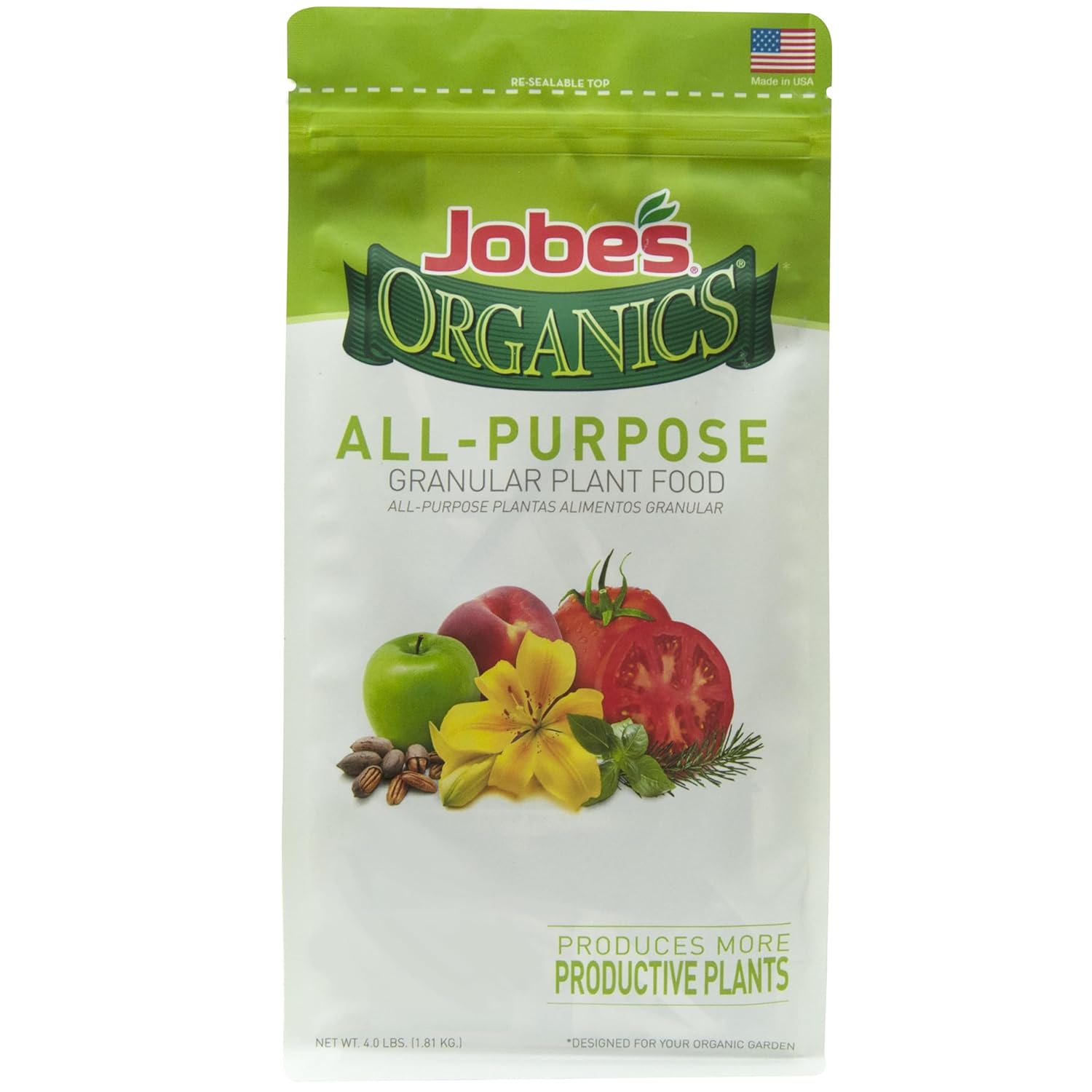
Happy Frog has enough nutrients to start and is very well balanced according to our lab tests. Jobe’s 4-4-4 is beneficial to add because it contains so many microorganisms that create a healthy symbiotic rhizosphere.
Target PPM (Nutrient Level):
Ideal PPM Range: Total dissolved solids (TDS) for strawberries should ideally be around 500-1,000 ppm during peak growth. For hydroponic strawberries, studies suggest maintaining a nutrient solution of around 1,000-1,200 ppm for best results.

NPK Ratio (Vegetative and Bloom Phases):
Vegetative Phase: An NPK ratio around 2-1-1 is recommended during early growth stages to promote balanced root and leaf development.
Bloom/Fruiting Phase: A ratio of 1-1-2 or similar promotes flower and fruit formation, focusing on phosphorus and potassium for high fruit yield and quality.
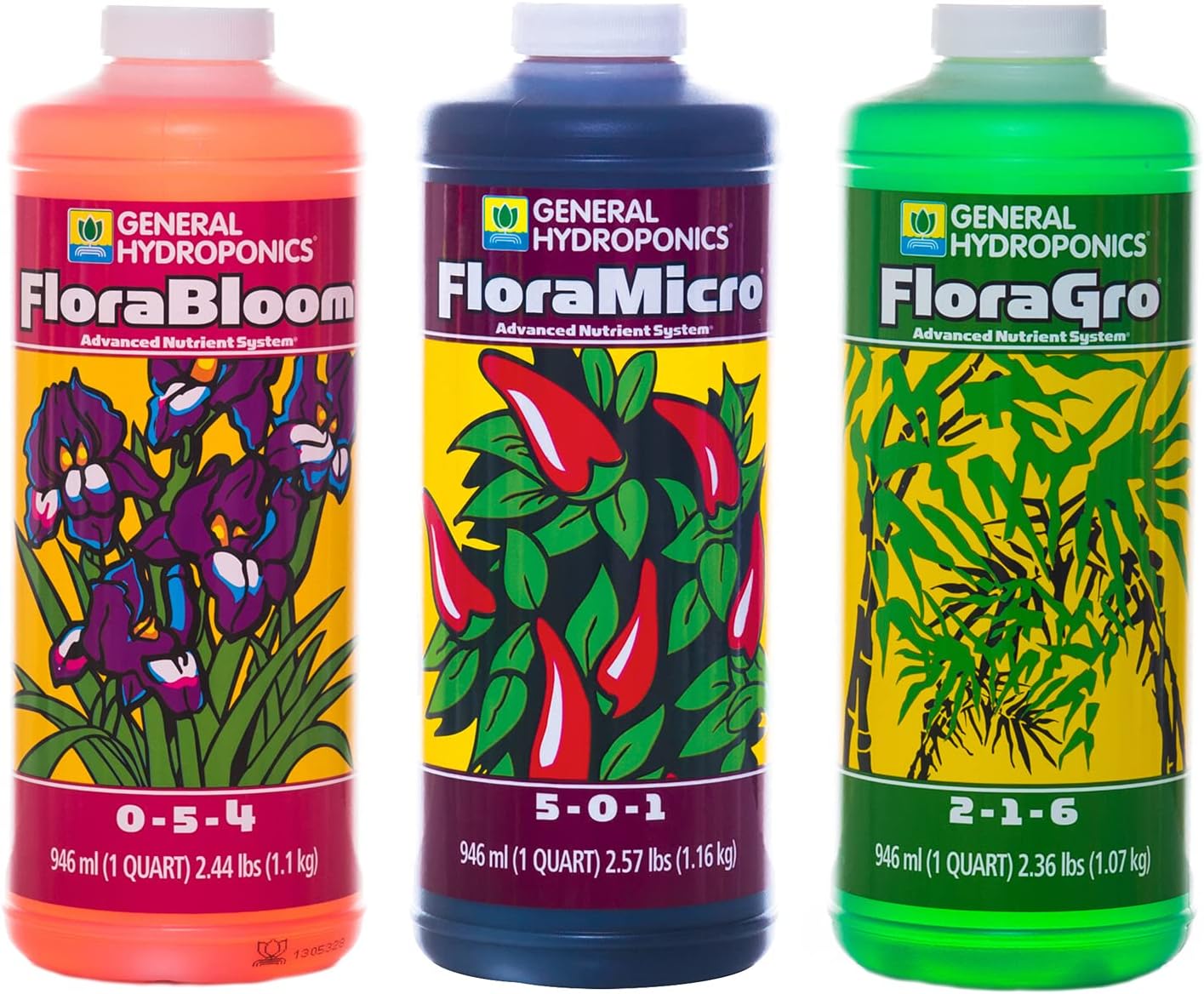
Along with the Jobe’s 4-4-4, the general hydroponics trio gives you plenty of options to create a vegetative or bloom juice to modify your target NPK. For instance, a 2-1-1 NPK would be achieve by putting a ratio of 2:1 of Flora Micro:Flora Bloom(10-0-2 + 0-5-4) or 10-5-6, which is factors down to around 2-1-1. A NPK of 1-1-2 on the otherhand, would be achieved by mixing a ratio or 1:2:1 of Micro:Gro:Bloom because the math would be (5-0-1+4-2-12+0-5-4) or (9-6-17). Use these mix ratios and continue adding it at the same rate until your feed water hits the target ppm listed above. They will need to be fed water with nutrients once every 4-6
pH Range:
Vegetative Phase: Target a pH of 5.5-6.5 to ensure nutrient availability, as strawberries prefer slightly acidic soil. The pH Meter is Linked Above. I would start off around the 6.0 mark.
Bloom/Fruiting Phase: pH should remain consistent between 5.5 and 6.5, as fluctuations can affect nutrient uptake and fruit development. As strawberries grow, they tend to make your soil more acidic so you want to gradually increase the pH and I would aim to target 6.5 during peak bloom weeks.

Light Intensity:
Optimal Intensity: For indoor or greenhouse settings, strawberries thrive at a PPFD (Photosynthetic Photon Flux Density) of around 600-800 µmol/m²/s. Outdoors, full sun exposure of at least 6-8 hours per day is essential for high-quality fruiting.

Temperature Range:
Vegetative Phase: Ideal daytime temperatures range from 65-75°F (18-24°C) with slightly cooler nights (around 55-65°F or 13-18°C).
Bloom/Fruiting Phase: For fruiting, maintaining 60-80°F (15-27°C) during the day helps promote fruit set and ripening without stressing the plants.
Humidity Settings:
Vegetative Phase: A relative humidity of 50-70% is generally beneficial for early growth.
Bloom/Fruiting Phase: Lower humidity (around 40-50%) during fruiting reduces disease risks, especially fungal infections on fruits.
Additional Tips for High-Quality Strawberry Production:
- Mulching: Applying straw or mulch around plants can help retain moisture, reduce weeds, and prevent soil-borne diseases from affecting the fruits.
- Pollination Assistance: In indoor or greenhouse setups, gentle hand pollination or using fans to circulate air can enhance pollination and fruit set.
- Regular Pruning: Removing dead or diseased leaves and runners redirects energy to fruit production and can improve air circulation, lowering disease risk.
- Irrigation Management: Strawberries are shallow-rooted, so maintaining consistent moisture without overwatering is crucial. Drip irrigation systems are ideal for even moisture.
You may also like

DIY Solo Cup Automated Drip Feed Grow Tub


