

DIY Solo Cup Automated Drip Feed Grow Tub

In this video I’m gonna teach you how to custom build a DIY tub that allows you to automatically or remote feed plants with drip into solo cups.
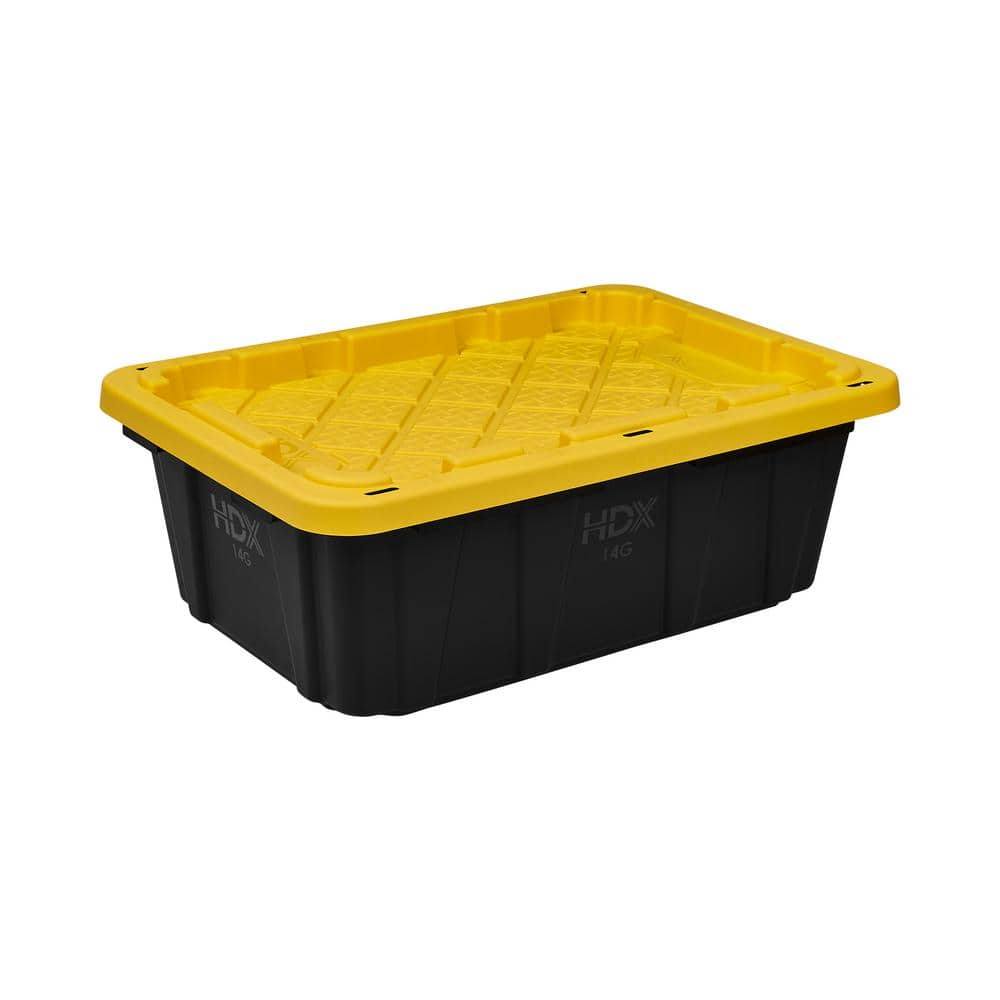
The first thing you need to do is get one of these 14 gallon tubs from home depot or Lowe’s, but make sure you take the lid that’s included. Using an electric drill, youll be attaching the hole saw that is the closest size to the top of the solo cups (` 3 inches), just make sure it’s slightly smaller. You need to drill holes but dont go any closer than a cm from the edge so the cups could sit in evenly and not against the edge of the lid. For a 14 gallon tote, I’ll drill 8 holes evenly spaced out, just like this.


Next, You want to prepare you solo cups so that they are setup in a way so it is impossible to overwater your plants. Using one of the tools below, you are going to poke 8 holes evenly spaced out on the bottom of each cup. In the i Fix it kit below, I use the SIM Adapter. Next, were going to ad an inch of perlite on the bottom of each cup and fill the rest of the cup with soil, leaving about an inch of space above for the drips.



Next, we’ll make the drips and you could either purchase them from me direct, or make them yourself. It took me several iterations to perfect it but when done right, they will water out like this.

The first thing you want to make sure you got right is tube selection. These will use 1/4 inch (.25 or a quarter inch) tubing but make note that not all tubes will work. At first, I had a silicone based tube which is more flexible, but the issue is that the holes were not firm and didn’t push out water evenly, so you need to make sure you get a plastic based tubing. The lines used for Reverse Osmosis systems are perfect.

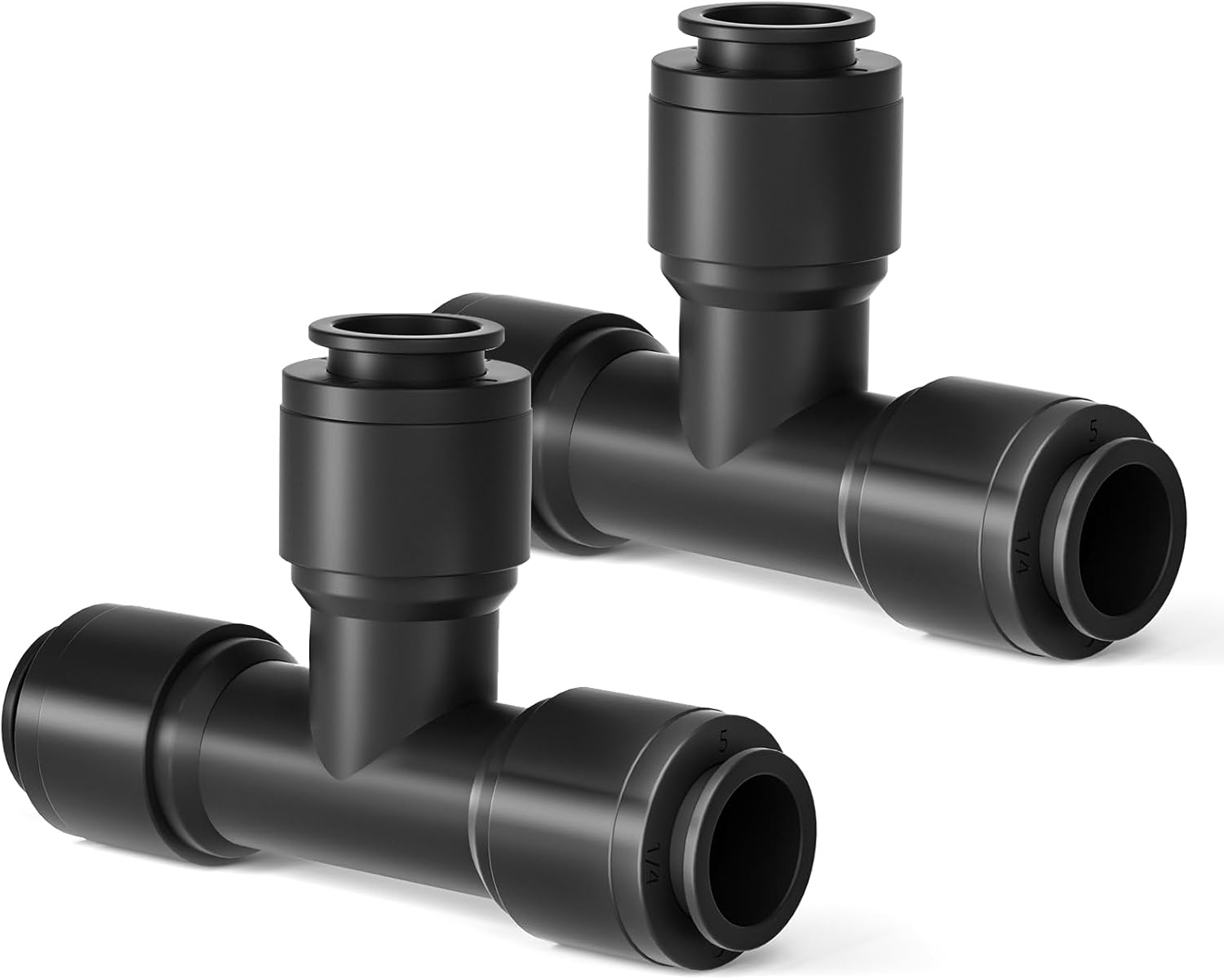

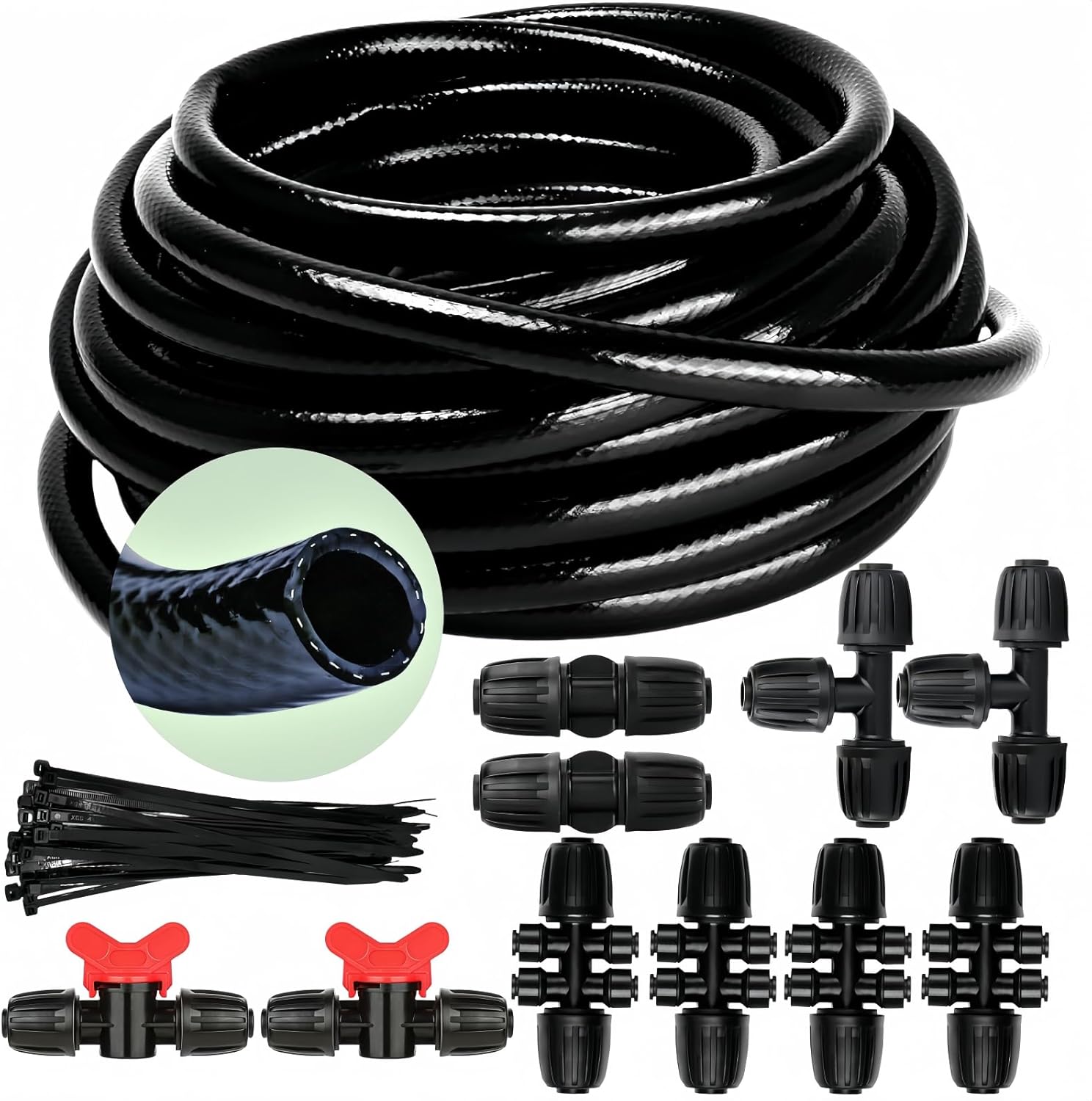
I want these drips to fit right into the top of the cup so that its snug. You have to cut the tube and factor in the length of the T. This is how much of the tube actually goes into the T and by measuring it next to a solo cup, I’ll cut the length so it fits perfectly. I’ll check to make sure its snug against the cup walls and the goal is to make sure there’s enough friction for it to stay in the cup. If it’s too small, then redo it until its perfect. Now Ill just pull out this tube and use it as a reference length for all my other tubes. The next step is to poke holes in the drip and this time I will be using the SIM adapter in my iFix it kit. I like to make the holes as symmetric as possible and I have them angled at a 45 degrees so they shoot water toward the center of the cups. First, Ill poke a hole on each side of the T, at a 45 degree angle (not at the top, not at the side, but perfectly in between). You want to make sure you are only poking through that side of the tube and not through the other side and this will take some getting used to. Then Ill poke a hole directly across the T. I like to do everything symmetric but since the T prevention absolute symmetry, holes near the T will have to be slightly more concentrated. Ill poke a hole equidistant from holes I made, the poke holes between those holes, then poke holes in between those holes. In the end, you should have 17 holes on each drip. Next, Ill cut some tubes that are about one inch long and connect an elbow on one side, then the drip on the other, making sure the holes are on the bottom. This will allow the drip to go flat inside the cups and swivel without putting additional pressure on the lines. The last step is to actually test these drips to make sure water is getting squirted out evenly and without leaks. Once they check out, now you want to custom cut the lines according to your enclosure. This will be specific to YOUR grow space so I’m not going to detail how I cut mine, but basically, less is more with the 1/2 inch tubing. However, for the 1/4 inch tubing that connects to your cups, you want at least 1 foot of slack so you could move them if needed. Connect this setup to your pump which will be plugged into your timer or smart outlet. These videos will teach you how to do that:

Alternate Remote Feeds
Flaw: Only programmable by Minutes


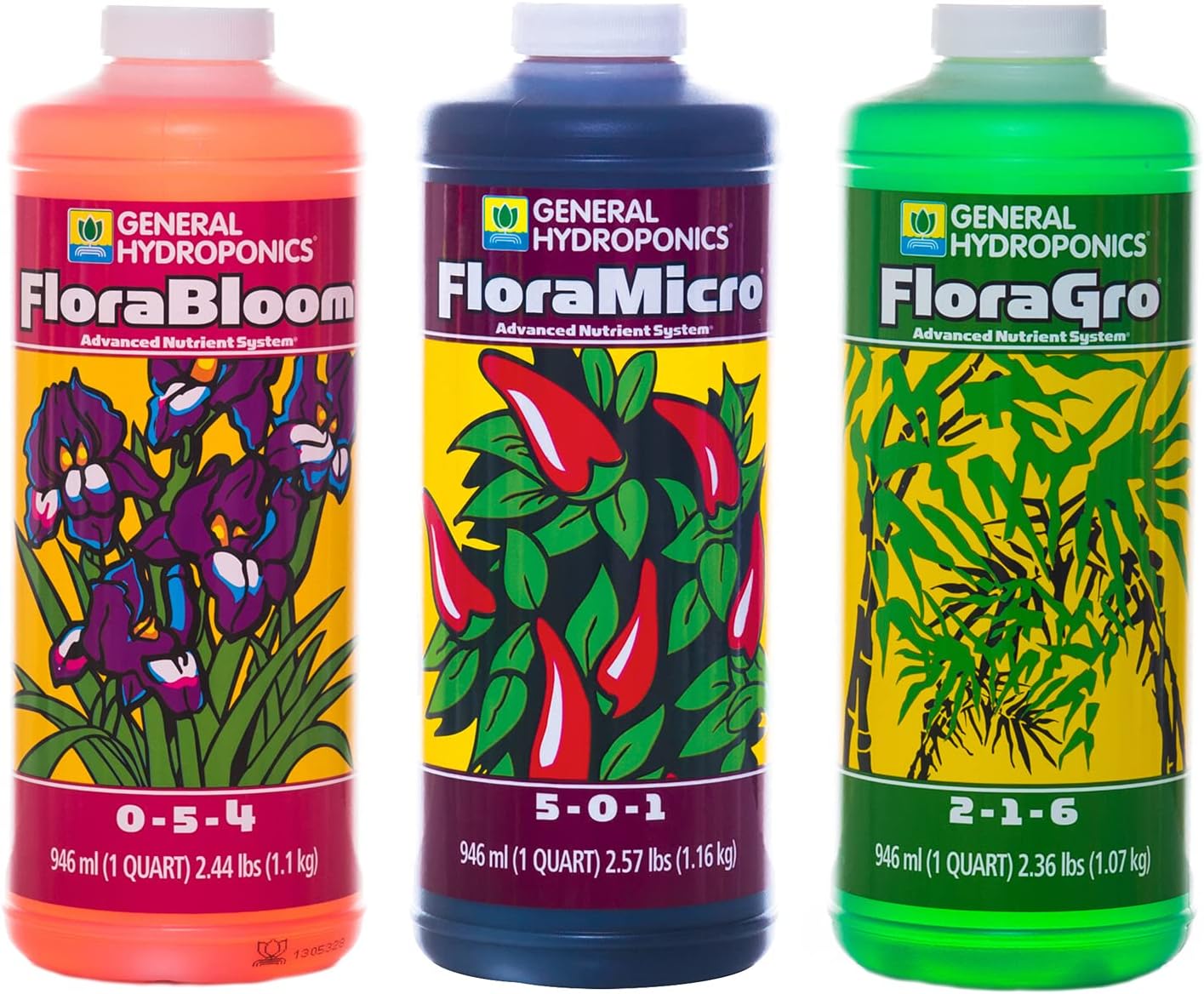
Place all your prepared cups into the tubs, then place the drips inside, ensuring the plants are in the cups. Now, the very last step is to setup your reservoir with a complete nutrient solution specific to your plant’s needs.



That’s all for the complete setup. (Products and links listed may earn a commission — but they cost you nothing extra and help support the channel. Thank you!)
You may also like

How to Bring Outdoor Plants Indoor – Winterize and Bug Proof Them Like a Pro (and Not Kill Them)


