

How to Grow Blackberry

Blackberry Care Sheet
Best Type of Soil: Loamy soil is ideal for blackberries as it provides good drainage, necessary aeration, and nutrient retention.
Soil Amendments: Organic matter, such as compost or well-aged manure, enhances soil structure, retains moisture, and boosts nutrient levels.
Our Recommendation:


Happy Frog has enough nutrients to start and is very well balanced according to our lab tests. The worm castings will add a more of a silty texture that stays moist longer and gives the plant access to more nutrients to be broken down from the mycorrhizae in the Happy Frog Soil.
Target PPM (Nutrient Level):
Ideal PPM Range: Soil-grown blackberries generally do well with a nutrient level around 800-1200 ppm for adequate nutrition. At this level, you can feed them every need to be fed nutrient once every 2-3 months.

NPK Ratio (Vegetative and Bloom Phases):
Vegetative Phase: A balanced NPK ratio, such as 3-1-2, supports vegetative growth, root and leaf development during early growth stages.
Bloom/Fruiting Phase: For optimal flowering and fruit production, a ratio like 1-1-3 or similar is preferred, emphasizing phosphorus and potassium to enhance fruit quality.
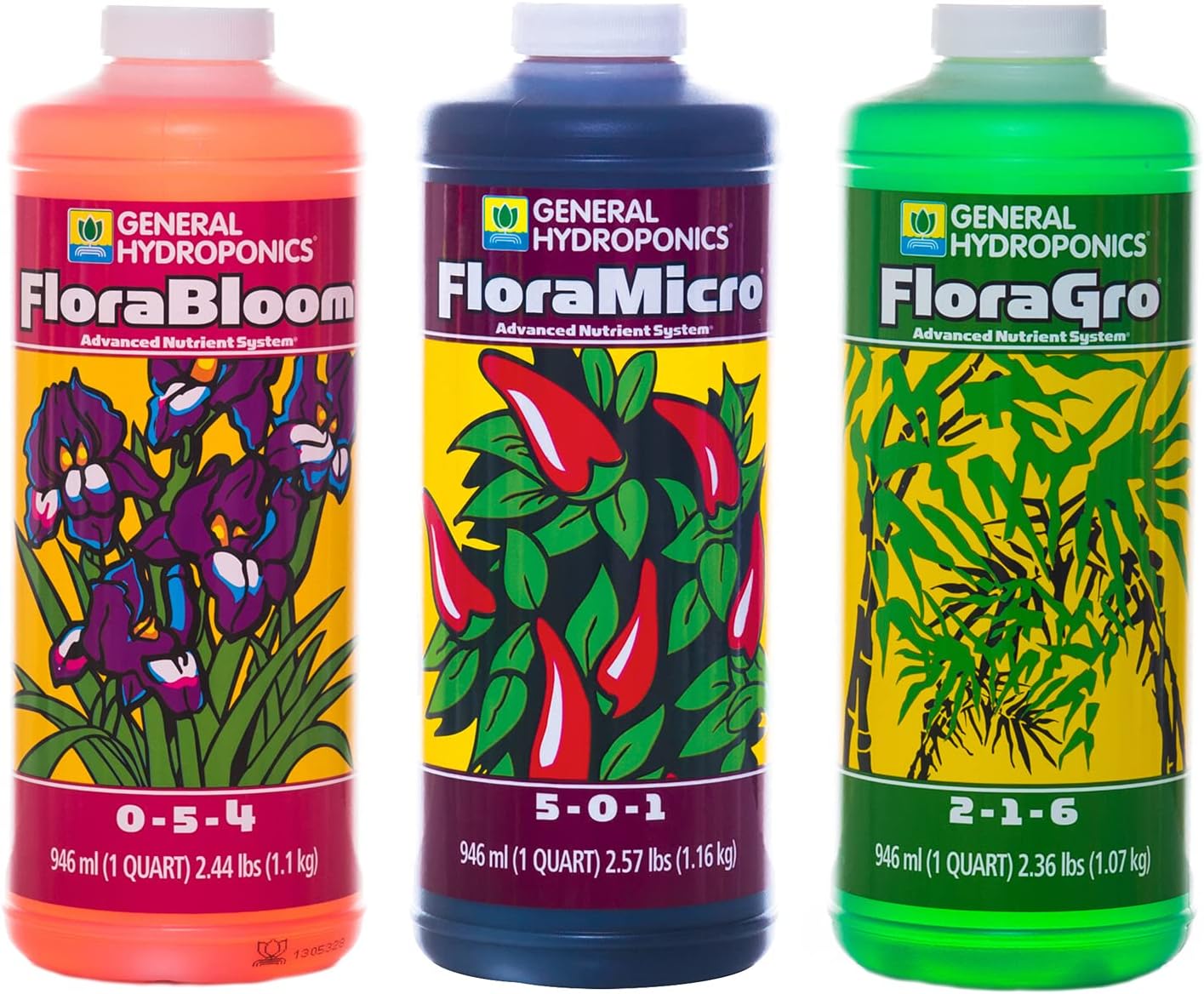
The general hydroponics trio gives you plenty of options to create a vegetative or bloom juice to modify your target NPK.
pH Range:
Vegetative and Bloom Phases: Blackberries prefer a slightly acidic soil with a pH between 5.5 and 6.5. This range aids in nutrient uptake and keeps plants healthy through both growth phases.

Optimal Light Intensity: Blackberries thrive with full sun exposure, needing at least 6-8 hours of direct sunlight daily. For controlled environments, a PPFD (Photosynthetic Photon Flux Density) around 700-900 µmol/m²/s is ideal.

Temperature Range:
Vegetative Phase: Blackberries grow well in temperatures of 65-75°F (18-24°C) during the day, with slightly cooler nights.
Bloom/Fruiting Phase: A range of 70-79°F (21-26°C) supports healthy flowering and ripening of the berries.
Humidity Settings:
Vegetative Phase: A humidity level of 50-60% helps maintain optimal moisture levels, aiding in robust growth.
Bloom/Fruiting Phase: Lower humidity (around 40-50%) is beneficial during fruiting to reduce the risk of fungal diseases.
Additional Tips for High-Quality Raspberry Production:
- Mulching: Apply a layer of mulch around plants to conserve moisture, control weeds, and regulate soil temperature, which is especially beneficial in hot climates.
- Pruning: Prune dead or non-productive canes to promote new growth and improve air circulation, reducing disease risk and enhancing fruit production.
- Trellising: Blackberries benefit from trellis support, which helps maintain upright growth, improves sunlight exposure, and makes harvesting easier.
- Irrigation: Consistent moisture is crucial, especially as berries begin to develop. Drip irrigation is ideal, providing even moisture without waterlogging.
You may also like

DIY Solo Cup Automated Drip Feed Grow Tub


